Top 3 Modern Industries That Rely on Anti-Friction Materials for Peak Performance
Anti Friction Material, or more broadly speaking, anti-friction solutions, are the essential lubricants that have evolved in the last couple of decades to a level where they solve many of the problems of wear, tear, and energy loss in high-tech industries whose performance depends heavily on these materials. Those materials have become the support pillars of many high-tech industries that require precision, reliability, and long-lastingness. Just imagine the machinery of the twenty-first century without these materials, and it would be the era of very rapid ageing of machines, high energy consumption, and the failure to achieve peak productivity results.
1. Automotive Industry
Anti-friction technology is going to be the core of the automotive industry. The ultimate goal in the car industry is fuel efficiency, and one of the most reliable ways of achieving this is through the reduction of friction in engine components and transmission systems. In addition, anti-friction materials contribute to lessening the heat produced and the reduction of the wear and tear process involved in the mechanical surfaces, which also allows the smooth operation of the machines.
If high-quality materials are used in the creation of pistons, gears, or axle systems, it is then the machines that will run most efficiently. By the way, the shift from gasoline cars to electric vehicles makes this point even more relevant because efficiency and smooth operation are the keys to success.
2. Aerospace Industry
Aerospace is obviously a field where the smallest margins are non-negotiable. Aircraft turbines do that in harsh temperature conditions and heavy pressure. This is a perfect illustration of the point where anti-friction parts come to the rescue. The associates that produce less friction give a boost to the overall performance, as a result, mechanical resistance is reduced, thus, the engine parts that are the most stressed can move easily and friction-free even if the pressure is again.
On top of that, the intervals between the checks are also longer, and the components have a longer lifecycle since they experience less wear. In an industry where being safe and reliable represent the main criteria of success, these materials are necessary for getting the best working conditions.
3. Heavy Machinery & Manufacturing Industry
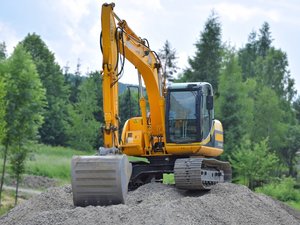
Industrial machines follow a nonstop cycle of work and usually in bad, inhospitable places. Among them, we can count the equipment for the building industry as well as heavy machines for large-scale manufacturing. In all these cases, friction is the root of all the above-mentioned problems, plus the overheating of the parts, breakage, and the most expensive of them all, the economic loss of a halt in production. What we want to highlight here is the prominent role played by anti friction bearing material, especially at the end of the third paragraph.
Among these machines are the ones with bearings, the gears, conveyor systems, and also hydraulic machines, and the common denominator to all of them is the adoption of anti-friction technology to have reliable, smooth, and efficient movement. When those materials are available for use in machinery production, the factories are less interfered with in most of the work, the costs for maintenance are at a lower level, and the productivity of the equipment is increased. Thus, anti-friction is a solution that cannot be dismissed in modern manufacturing.
Why Anti-Friction Materials Matter More Than Ever
One of the features of advancing industries that is of concern is the speed, power, and compactness of their machines. What this means is that the moving parts tend to be under more pressure. Anti-friction materials ensure:
- Lower energy consumption
- Higher efficiency
- Longer equipment lifespan
- Reduced downtime
- Improved safety
Their importance will only escalate as they form the basis of automation, robotics, and high-speed production industries.
Conclusion
Anti-friction materials are basically those that have been instrumental in the success of which demanding industries we see today. It is these materials that are going to last us from the car industry and the aviation industry to the large-scale manufacturing machinery. In the absence of these materials, engineering of the modern era will find it hard to be at the speed, reliability, and productivity standards that we use daily.
Call to Action
How about optimising your machinery or increasing your industry's efficiency? By implementing premium anti-friction materials, you can achieve the performance you desire, extend the lifespan of your parts, and reduce costs.


Comments
Post a Comment