Choosing the Right Clutch Friction Plate Material for Maximum Performance
In the world of automotive engineering, every component plays a crucial role in performance, durability, and safety. Among these, the clutch system is one of the most critical, acting as the bridge between your engine and transmission. At the heart of this system lies the Clutch Friction Plate Material—a component that directly affects your vehicle’s responsiveness, longevity, and reliability.
Selecting the right material isn’t simply a technical decision; it’s a strategic one. The right clutch friction plate can reduce wear, improve efficiency, and provide a smoother driving experience. But with so many options available, how do engineers and mechanics make the best choice?
Understanding Clutch Friction Plate Material
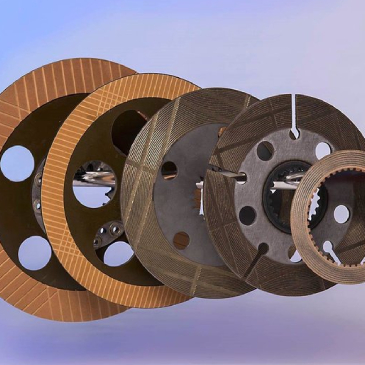
Clutch friction plates are engineered to transfer torque from the engine to the transmission while allowing smooth engagement and disengagement. The material used for these plates determines key characteristics such as:
- Friction coefficient – How effectively the plate grips under pressure.
- Durability – Resistance to heat and wear over time.
- Thermal stability – Ability to maintain performance under extreme conditions.
- Noise and vibration – Contribution to a quieter, smoother operation.
Traditionally, clutch friction plates have been made from organic materials, metallic compounds, or hybrid composites. Organic materials are quieter and offer smoother engagement but may wear faster under heavy use. Metallic and sintered materials, on the other hand, handle high temperatures and extreme pressure, making them ideal for performance or heavy-duty applications.
Why Material Choice Matters
The selection of Clutch Friction Plate Material is far from trivial. A poorly chosen material can lead to:
- Slipping or chattering under load
- Premature wear or glazing of the plate
- Reduced fuel efficiency due to energy loss
- Increased maintenance costs and downtime
On the other hand, a carefully selected friction material ensures consistent performance, longer service life, and optimal vehicle responsiveness. For automotive manufacturers, racing teams, and heavy machinery operators, this choice can make a tangible difference in operational efficiency and customer satisfaction.
Emerging Trends in Clutch Friction Plate Materials
As vehicles evolve, so too do the demands on clutch systems. High-performance cars, electric vehicles, and industrial machinery require materials that can handle extreme stress while maintaining smooth operation. Modern innovations in clutch friction plate materials include:
- Ceramic-infused compounds – Offering higher heat resistance and longer service life.
- Kevlar and aramid fibers – Providing enhanced durability and vibration damping.
- Advanced hybrid composites – Combining organic and metallic properties for balanced performance.
These materials are designed not only to meet traditional mechanical demands but also to accommodate environmental considerations, such as reducing emissions and improving fuel efficiency by minimizing energy loss in the drivetrain.
Partnering with Trusted Clutch Friction Plate Material Suppliers
For manufacturers and mechanics alike, sourcing high-quality friction plate materials is critical. Working with reputable Clutch Friction Plate Material Suppliers ensures:
- Access to premium-grade materials with consistent specifications
- Technical support and guidance on selecting the best material for your application
- Compliance with industry standards and performance certifications
- Reliable delivery schedules and scalable supply options
Leading suppliers, like Protec Friction (protecfriction.com), specialize in providing a diverse range of friction plate materials designed for everything from daily-use vehicles to high-performance racing and industrial machinery. Their expertise allows clients to choose the optimal material based on load requirements, thermal conditions, and application-specific demands.
Tips for Selecting the Right Friction Material
Choosing the ideal clutch friction plate material involves balancing multiple factors. Here are some key considerations:
1. Application Type
Consider whether the clutch is for a standard vehicle, high-performance car, motorcycle, or heavy-duty machinery. Each has unique torque and heat requirements.
2. Operating Environment
Extreme heat, humidity, or repeated stop-and-go conditions can accelerate wear, requiring materials with higher thermal stability.
3. Performance Goals
Are you prioritizing smooth engagement, durability, or maximum torque transfer? Different materials excel in different areas.
4. Maintenance Preferences
Some materials require more frequent servicing or replacement, while others are designed for long-term durability.
5. Supplier Support
Working with knowledgeable Clutch Friction Plate Material Suppliers ensures guidance in material selection and access to custom formulations if needed.
Conclusion: Invest in Quality for Long-Term Reliability
The Clutch Friction Plate Material may be a small component in your vehicle, but its impact is substantial. From everyday driving to high-stress industrial applications, the right material ensures smoother operation, longer lifespan, and overall system efficiency.
Partnering with expert Clutch Friction Plate Material Suppliers like Protec Friction (protecfriction.com) guarantees access to premium materials, technical support, and innovative solutions tailored to your specific needs. Investing in quality friction plate materials today can save time, reduce maintenance costs, and enhance performance for years to come.


Comments
Post a Comment